




Key Highlights
- Back pain during menstruation is a common issue experienced by many women during their monthly cycle.
- It often appears as lower back pain caused by hormonal changes and uterine contractions.
- This condition is medically called dysmenorrhea and may be primary or secondary depending on the cause.
- Relief often includes heat therapy, medications, lifestyle adjustments, and gentle exercise.
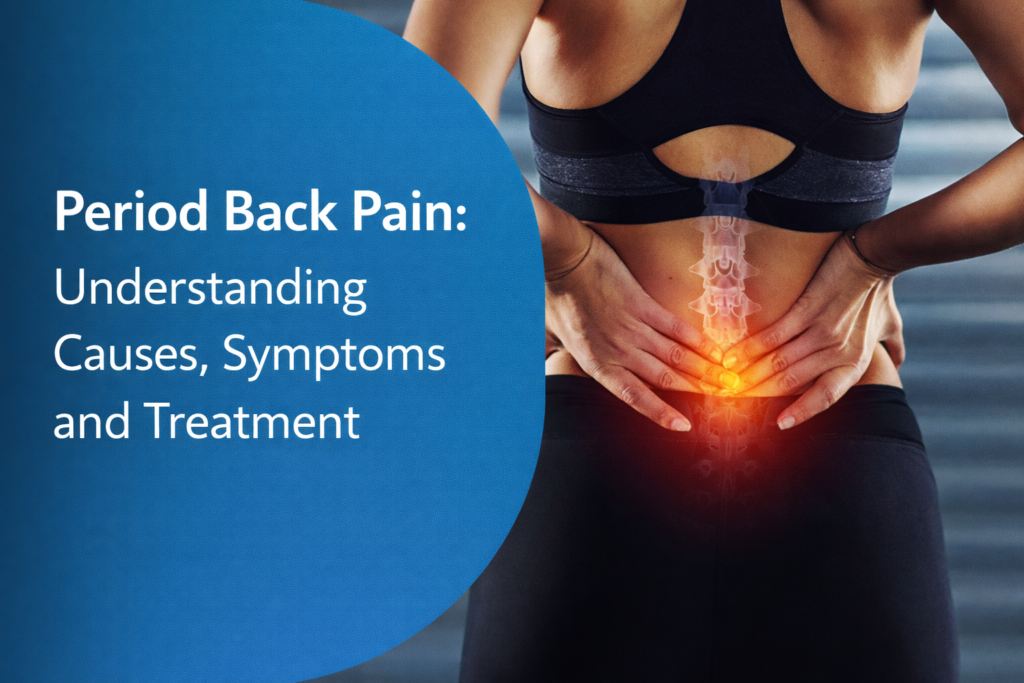
What is Period Back Pain
Period back pain refers to aching or discomfort that occurs in the lumbar region shortly before or during menstruation. This type of lower back pain is closely associated with dysmenorrhea, the medical term for painful periods. Many women experience this symptom for one or two days each cycle.
Types of Period Related Back Pain
Primary Dysmenorrhea
It is the most common form of menstrual pain. It usually begins during adolescence after the first menstrual cycle. This type of lower back pain is not caused by an underlying disease but by natural uterine contractions that help shed the uterine lining. The pain typically begins shortly before menstruation and lasts for one to two days.
Secondary Dysmenorrhea
This develops later in life and is often linked to medical conditions affecting the reproductive organs. This form of back pain tends to last longer and may become more severe over time. Conditions such as endometriosis, fibroids, or infections are common causes of secondary menstrual pain.
Causes of Period Back Pain
Menstrual Back Pain often begins due to prostaglandins, hormone like chemicals that trigger uterine contractions to shed the uterine lining. Higher levels of these chemicals cause stronger contractions, which may spread pain toward the lower back pain region.
Uterine Contractions
During menstruation the uterus contracts to remove its lining. Strong contractions may compress nearby blood vessels and nerves, causing pain that travels from the pelvis to the spine.
Referred Pain from Pelvis to Back
Pelvic organs share nerve pathways with the lower spine. Because of this connection the brain may interpret severe menstrual cramps as back pain.
Endometriosis
Endometriosis occurs when uterine-like tissue grows outside the uterus. This condition can cause inflammation, pelvic discomfort, and significant lower back pain.
Adenomyosis
In adenomyosis the uterine lining grows into the muscular wall of the uterus. This often leads to heavy periods and persistent back pain.
Fibroids
Fibroids are noncancerous growths that form in or around the uterus. Larger fibroids may press against surrounding structures and cause lower back pain.
Pelvic Inflammatory Disease
Pelvic inflammatory disease is an infection of the reproductive organs. Inflammation from this condition can cause chronic pelvic discomfort and back pain during menstruation.
Ovarian Cysts
Ovarian cysts are fluid-filled sacs that can create pelvic pressure or sharp pain. This discomfort may radiate to the lower spine and result in lower back pain.
Symptoms of Period Back Pain
Lower Back Pain Characteristics
Menstrual lower back pain is usually described as a deep, dull ache in the lumbar area. In some cases the pain may spread down the legs or remain concentrated in the lower spine.
Timing and Duration
The discomfort often begins just before the menstrual flow starts and reaches its peak during the first day of the cycle. In secondary conditions the back pain may continue throughout the entire period.
Associated Menstrual Symptoms
Many women experience additional symptoms alongside back pain. These may include abdominal cramps, nausea, fatigue, headaches, or digestive discomfort.
Pain Severity Variations
The severity of menstrual back pain can vary depending on lifestyle factors. Smoking, alcohol use, stress, and excess weight may increase the intensity of symptoms.
Diagnosing the Cause of Period Back Pain
Medical History and Symptom Assessment
Doctors begin the evaluation by discussing the patient’s symptoms and menstrual history. Understanding when the Back Pain occurs and how long it lasts helps determine whether it is primary or secondary dysmenorrhea.
Pelvic Examination
A pelvic exam allows healthcare providers to identify possible infections, growths, or abnormalities that could cause persistent lower back pain.
Imaging Studies
Ultrasound and MRI scans are commonly used to examine reproductive organs. These tests can detect fibroids, cysts, or structural problems that contribute to menstrual back pain.
Laparoscopy
In certain cases doctors may perform laparoscopy to confirm conditions such as endometriosis. This minimally invasive procedure provides a detailed view of pelvic organs and helps identify the cause of severe lower back pain.
Treatment Options for Period Back Pain
Over-the-Counter Medications
Nonsteroidal anti-inflammatory drugs such as ibuprofen reduce prostaglandin production and help relieve menstrual back pain. Acetaminophen may also be used to manage discomfort.
Heat Therapy
Applying heat to the lower back helps relax muscles and improve blood circulation. Heating pads, warm compresses, and hot baths are effective ways to reduce lower back pain.
Hormonal Birth Control
Hormonal birth control methods such as pills, patches, or rings help regulate the menstrual cycle. These treatments reduce uterine contractions and can significantly decrease menstrual back pain.
Prescription Medications
For severe symptoms doctors may prescribe stronger medications or hormone-based treatments. These therapies help control inflammation and reduce pain intensity.
TENS Therapy
Some pain clinics use electrical stimulation therapy to block pain signals from reaching the brain. This approach can help manage chronic back pain associated with menstrual disorders.
Home Remedies for Period Back Pain Relief
Several home strategies can reduce menstrual discomfort. Gentle massage of the lower back helps relax tight muscles. Resting in comfortable positions that support the spine may also reduce pressure on the back.
Reducing caffeine, alcohol, and smoking during menstruation may help decrease inflammation and improve symptoms.
Exercises and Stretches for Period Back Pain
Light physical activity can reduce menstrual Back Pain. Activities such as walking, yoga, and stretching encourage the release of endorphins. These natural chemicals act as the body’s own pain relievers and help relax uterine muscles.
Prevention Strategies and Lifestyle Modifications
Maintaining a healthy lifestyle can help manage recurring Lower Back Pain during periods. Regular exercise improves circulation and muscle strength. A balanced diet rich in nutrients may also help regulate hormones and reduce menstrual discomfort.
Stress management techniques such as meditation or relaxation exercises may also help reduce the intensity of symptoms.
When to See a Doctor for Period Back Pain
Medical evaluation is recommended if menstrual Back Pain becomes severe enough to interfere with daily life. You should also seek professional help if the pain is accompanied by fever, unusual discharge, or fertility problems.
Persistent or worsening Lower Back Pain during menstruation may indicate an underlying medical condition that requires treatment.
Specialized Care at Alleviate Pain Clinic
Alleviate Pain Clinic in Bangalore provides specialized care for individuals suffering from chronic back pain. Their medical team focuses on advanced nonsurgical treatments that address the root cause of pain and help patients regain mobility without invasive procedures.
FAQs About Period Back Pain
Menstrual Back Pain is often caused by prostaglandins that trigger strong uterine contractions which radiate pain to the lower spine.
Yes many women experience Lower Back Pain during menstruation, although severe symptoms should be evaluated by a doctor.
Conditions such as endometriosis, fibroids, or pelvic infections may cause severe menstrual back pain.
Applying heat, gentle stretching, and resting the lower back can help relieve lower back pain during menstruation.
Consult a healthcare professional if menstrual back pain is severe, persistent, or accompanied by unusual symptoms.
Yes regular movement and light exercises can reduce back pain by improving circulation and releasing natural pain-relieving chemicals in the body.


