




Key Highlights
- A lower back brace provides external support to the lumbar spine, helping reduce strain on muscles and improve posture during daily activities.
- It is commonly used for muscle strain, chronic back pain , herniated discs , sciatica post-surgery recovery, and heavy physical work.
- Braces work by stabilizing the spine and applying gentle compression, which supports healing and reduces discomfort.
- Proper usage involves correct fit, positioning, and limited duration, as overuse may weaken muscles.
- For persistent pain, combining brace use with physiotherapy and medical evaluation ensures long-term recovery and spinal health.
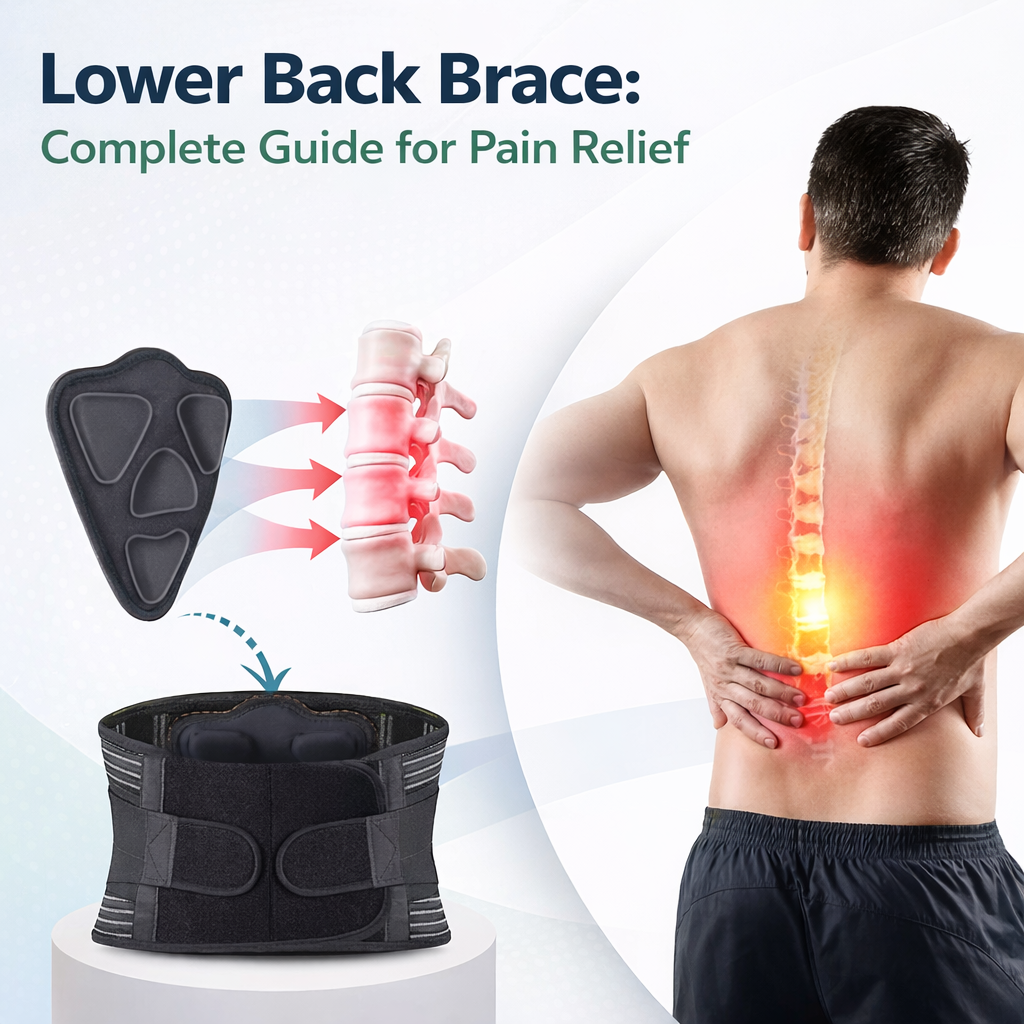
A person bends to lift a small box and feels a pull in the lower back. Another person finishes a long day at work, and their back feels tired and tight. Situations like this happen often. The lower back carries body weight all day. Sitting, standing, lifting, and walking all depend on the muscles and joints in this area. When pain appears, people often try rest, stretching, or heat. Some also try a lower back brace for extra support. A brace wraps around the waist and supports the lower spine. It does not cure the cause of pain, but it can help reduce strain while the body recovers. Many people feel relief when the back has external support during daily movement.
What is a Lower Back Brace? Understanding Lumbar Support
A lower back brace is a support belt worn around the lower spine. It helps stabilize the lumbar area. The lumbar region includes the five vertebrae at the bottom of the spine. These bones carry much of the body’s weight. Muscles around the spine help keep the body upright. When these muscles become strained or tired, the back may feel weak. A brace provides outside support so the muscles do not work alone. The brace applies light pressure across the waist and lower back. This pressure helps improve posture and reminds the body to keep the spine in a safer position.
Types of Lower Back Braces Available
Rigid back brace
A rigid back brace contains firm panels or plastic supports. This type limits motion in the lower spine. Doctors sometimes recommend it after surgery or spinal injury.
Corset-style back brace
A corset-style back brace uses flexible material and adjustable straps. It allows movement but still provides compression. Many people use this brace during daily work or light activity.
When Should You Use a Lower Back Brace?
Many people ask when to wear a back brace support. The answer depends on the type of pain or activity.
Acute Lower Back Injury or Strain
Sudden lifting or twisting can cause muscle strain. A brace may support the back while the muscle heals.
Chronic Lower Back Pain
Some people live with chronic lower back pain for months or years. A brace may help during activities that usually increase discomfort.
Post-Surgery Recovery
Doctors may recommend a brace after spine surgery. The brace keeps the spine stable during healing.
Heavy Lifting and Physical Labor
Workers who lift heavy objects may use a brace for extra support.
Herniated Disc or Sciatica
Some people with herniated disc nerve pain feel better when the lower back has additional support.
Pregnancy-Related Back Pain
Pregnancy changes body balance and weight distribution. A brace may reduce pressure on the lower back.
Also Read: Back Pain During Pregnancy: Causes, Symptoms & Treatment Options
Step-by-Step: How to Properly Wear a Lower Back Brace ?
Many people search for how to wear a back brace. Correct placement helps the brace work properly.
Step 1: Choose the Right Size
The brace should fit around the waist without sliding or folding.
Step 2: Position the Brace Correctly
Place the brace across the lower back. The bottom part should sit just above the hips.
Step 3: Adjust Straps and Compression Level
Tighten the straps until the brace feels supportive.
Step 4: Check Comfort and Movement
Walk a few steps. Bend slightly forward and backward. The brace should stay in place.
Step 5: Wear Over or Under Clothing?
Some people wear the brace over clothing. Others wear it under a shirt. Comfort usually guides the decision. These steps explain how to wear a back brace for daily use.
How Long Should You Wear a Lower Back Brace?
A common question involves how long to wear a back brace support.
Short-Term Use Guidelines
For muscle strain, braces are often worn during activity. Many people remove the brace during rest.
Long-Term Use Considerations
Doctors sometimes guide long-term brace use for spinal conditions. Muscles still need exercise, so constant use may not be ideal.
Common Mistakes to Avoid When Using a Back Brace
Wearing It Too Tight or Too Loose
Too much pressure causes discomfort. Loose braces may provide little support.
Over-Reliance on the Brace
A brace supports muscles but does not replace them.
Neglecting Exercise and Physical Therapy
Gentle lower back stretches keep muscles flexible. Movement supports recovery.
Benefits of Using a Lower Back Brace
Several back brace benefits appear during proper use.
The brace helps stabilize the spine. It supports muscles that feel tired or strained. It may also improve posture during standing or lifting. Some people feel more confident during daily activities because their back feels supported.
When to See a Doctor at Alleviate Pain Clinic Bangalore
Back pain that lasts several weeks may require professional evaluation. Severe pain, numbness, or weakness may also need medical attention. A doctor may examine posture, muscle strength, and spine alignment. This evaluation helps guide back pain treatment strategies.
Advanced Treatment Options at Alleviate Pain Clinic
Some patients benefit from structured rehabilitation programs, targeted therapy, or other medical treatments, depending on the cause of pain.
How to Choose the Best Lower Back Brace ?
Choosing the best back brace depends on the level of support required.
People with mild discomfort often prefer flexible braces. Those recovering from injury may require stronger support. Comfort, breathability, and adjustable straps also matter. A brace should support the back while allowing normal movement.


