



Sciatica is a condition that can turn a normal day into a struggle because of the intense and shooting pain it causes in the lower body. This pain is not just a simple backache; it is a specific clinical syndrome that occurs when the sciatic nerve becomes irritated or compressed. For many people, finding the best medicine for sciatica pain is the first step toward regaining mobility and returning to daily routines. Understanding how different sciatica pain relief medication options work and what the current scientific evidence suggests is essential for lasting relief.
Understanding Sciatica Pain and Medication Options
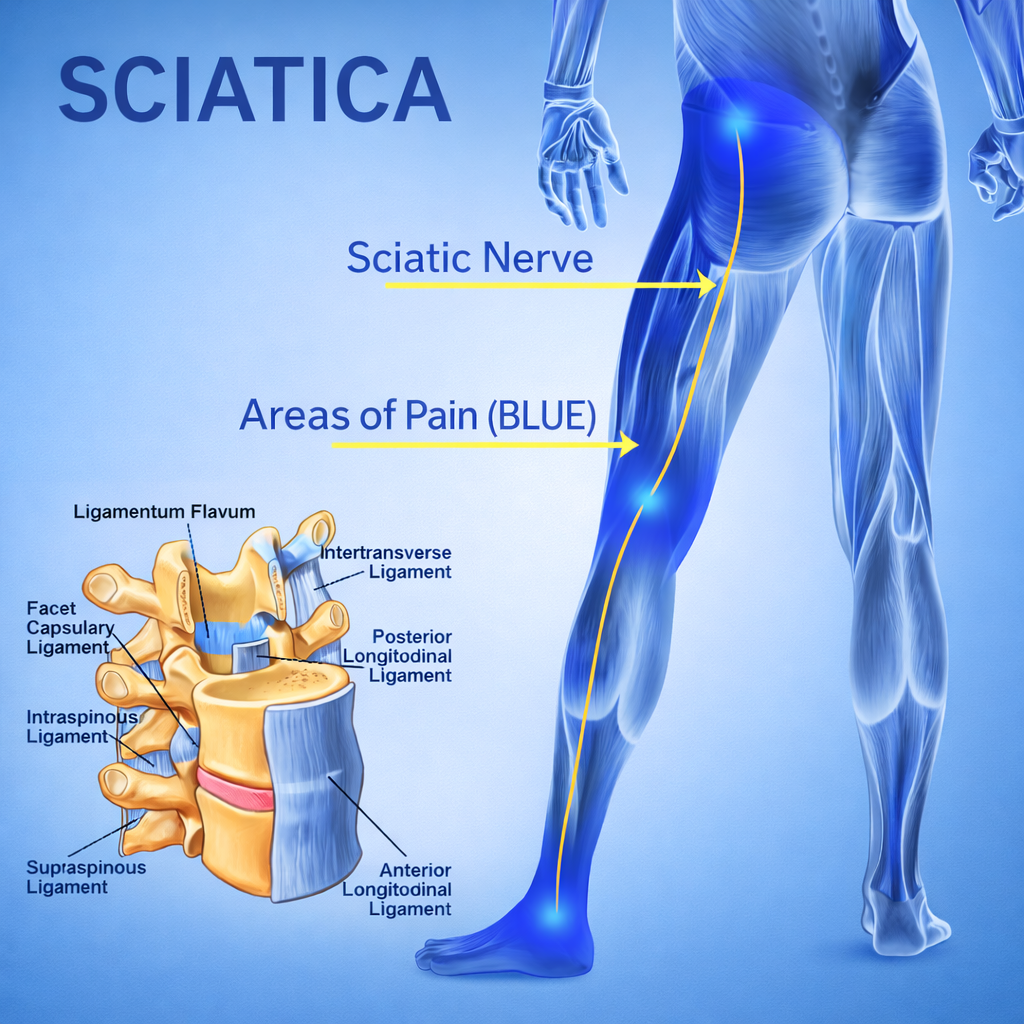
To manage symptoms effectively, it helps to understand what sciatica is. Sciatica refers to pain that radiates along the sciatic nerve, the largest nerve in the body, running from the lower spine through the buttocks and down the legs. It commonly causes one-sided leg pain that is often more intense than back pain. The discomfort may feel sharp, burning, or dull and can include numbness or tingling. Sitting too long, coughing, or sneezing may worsen symptoms, leading many people to seek sciatica pain medication.
How Medications Help with Sciatica Pain
The primary goal of sciatica pain relief medication is to reduce inflammation around the affected nerve root or calm the overactive pain signals sent to the brain. Physicians commonly prescribe a range of analgesic and adjuvant drugs depending on symptom severity and duration.
Some medications target inflammatory processes caused by conditions such as a herniated disc, while others address the neuropathic component of nerve irritation. Because sciatica involves nerve root compromise, standard muscle pain relievers may not always provide adequate benefit. Clinical evidence suggests that patients diagnosed with sciatica are significantly more likely to require medication than those with nonspecific low back pain. Certain drugs offer short term relief, while others are more appropriate for chronic cases lasting beyond twelve weeks.
Top 10 Medicines for Sciatica Pain Relief
Selecting the best medications sciatica management requires understanding different drug classes, from over-the-counter options to prescription therapies. Below is a clinically informed overview.
1. Ibuprofen (Advil, Motrin) – NSAID
Ibuprofen for sciatica is widely used during the early stages of nerve irritation. As a nonsteroidal anti-inflammatory drug, it reduces the production of inflammatory mediators responsible for pain and swelling. Although some systematic reviews suggest modest short-term benefit compared with placebo, it remains a standard first-line option for acute symptoms.
2. Naproxen (Aleve) – NSAID
This is another common approach to controlling inflammation associated with nerve root irritation. It typically provides longer-lasting relief than ibuprofen and requires fewer daily doses. Comparative studies generally show that most NSAIDs have similar effectiveness for sciatica-related discomfort.
3. Diclofenac (Voltaren) – Prescription NSAID
Diclofenac sciatica treatment is often considered when over-the-counter NSAIDs are insufficient. This prescription strength anti-inflammatory medication can provide stronger symptom control. However, some studies indicate that interventional procedures may offer faster relief in severe cases.
4. Acetaminophen (Tylenol) – Pain Reliever
Tylenol for sciatica is frequently used as a baseline analgesic, particularly in patients who cannot tolerate NSAIDs due to gastrointestinal concerns. While it lacks anti-inflammatory action, it can still help reduce overall pain perception when used appropriately.
5. Gabapentin (Neurontin) – Neuropathic Pain Med
It is commonly prescribed for nerve-related pain. This anticonvulsant works by stabilizing abnormal electrical activity in irritated nerves. Clinical data show meaningful short-term improvement in chronic radicular pain for many patients.
6. Pregabalin (Lyrica) – Neuropathic Pain Med
Lyrica tablets for sciatica are similar to gabapentin but often preferred in certain neuropathic pain profiles. Treatment typically involves gradual dose titration to achieve optimal symptom control. It is frequently used in chronic lumbosacral radiculopathy.
7. Muscle Relaxants (Cyclobenzaprine, Tizanidine)
Muscle relaxant medication for sciatica is sometimes prescribed when muscle spasm contributes to nerve compression. These medications are generally recommended for short-term use during acute flare-ups rather than long-term therapy.
8. Duloxetine (Cymbalta) – Antidepressant for Pain
Duloxetine is an antidepressant with proven benefits in chronic musculoskeletal and neuropathic pain. It works by enhancing neurotransmitters that help suppress pain signaling pathways in the central nervous system.
9. Topical Pain Relief (Lidocaine Patches, Capsaicin Cream)
Topical agents are applied directly over painful areas to provide localized relief. Although evidence specific to sciatica is limited, these treatments may help reduce discomfort without systemic side effects.
10. Oral Corticosteroids (Prednisone) – Anti inflammatory
Prednisone sciatica therapy involves short courses of oral steroids to reduce acute inflammation. Evidence supports moderate short-term benefit in selected patients, though long-term superiority over placebo is not consistently demonstrated.
How to Choose the Right Medicine for Your Sciatica
Choosing the right sciatica medication depends largely on symptom duration and severity. For acute episodes lasting less than six weeks, NSAIDs and short courses of corticosteroids are commonly used. When symptoms become chronic and persist beyond twelve weeks, clinicians often shift toward neuropathic agents such as gabapentin, pregabalin, or duloxetine.
Individual factors including age, medical history, gastrointestinal tolerance, and concurrent medications must also be considered. A personalized plan developed with a physician typically produces the best outcomes.
Potential Side Effects of Sciatica Medications
Every medicine for sciatica pain carries potential risks. Common adverse effects include dizziness, nausea, and abdominal discomfort. NSAIDs may cause gastric irritation or kidney concerns with prolonged use. Neuropathic medications such as gabapentin can lead to drowsiness or fatigue. Because approximately seventeen percent of patients report side effects from active drug therapy, careful monitoring is essential.
When Medications Aren't Enough: Other Treatment Options
Medication alone is not always sufficient for complete recovery. A comprehensive Sciatica Pain Treatment plan often includes rehabilitation and interventional approaches.
Physical Therapy for Sciatica
Structured physical therapy sciatica programs are critical for long-term improvement. Targeted exercises strengthen core and spinal support muscles, reduce nerve irritation, and help prevent recurrence. Most guidelines encourage staying active rather than relying on prolonged bed rest.
Interventional Treatments (Epidural Injections)
When conservative therapy fails, Epidural Injections or a nerve block sciatica procedure may be recommended. These treatments deliver anti-inflammatory medication directly around the affected nerve root, often providing faster and more targeted relief than oral drugs.
Regenerative Medicine (PRP, Prolotherapy)
Modern regenerative options such as prp for sciatica and prolotherapy aim to stimulate natural tissue healing. These minimally invasive treatments are increasingly used in patients seeking nonsurgical solutions.
When to See a Doctor for Sciatica Pain
Medical evaluation is recommended if pain is severe, progressively worsening, or accompanied by significant weakness, numbness, or bowel and bladder changes. If conservative care and sciatica pain medication fail to provide improvement after six weeks, specialist referral is advisable.
How Alleviate Pain Clinic Can Help
For patients searching for the best medicine for sciatica pain along with advanced nonsurgical care, Alleviate Pain Clinic in Bangalore offers comprehensive solutions. The clinic specializes in evidence based interventional pain management, combining medication optimization with procedures such as radiofrequency ablation, Epidural Injections, and regenerative therapies, including prp for sciatica. Their multidisciplinary approach focuses on restoring mobility while helping patients avoid unnecessary surgery.
FAQs About Medicines for Sciatica Pain
There is no single universal option, but gabapentin and short courses of corticosteroids have demonstrated short-term benefit in selected patients.
Combining ibuprofen for sciatica with nerve medications is sometimes appropriate, but it should only be done under medical supervision.
The duration of medicine for sciatica pain depends on whether symptoms are acute or chronic. Many acute cases require only a few weeks of therapy.
Both treat nerve pain, but gabapentin for sciatica has more extensive clinical trial data supporting short-term relief.
If sciatica pain medication is insufficient, consider physical therapy, Epidural Injections, or regenerative options such as prp for sciatica.
Tylenol for sciatica is preferred for patients with stomach sensitivity, while ibuprofen provides anti-inflammatory benefits that may better address disc-related irritation.


