




Key Highlights
- Ulnar wrist pain is a type of Wrist Pain that occurs on the pinky finger side of the wrist and can affect daily hand movements.
- It may develop due to injuries, repetitive strain, or structural problems within the wrist joint.
- Common causes include TFCC Tear, tendon inflammation, fractures, and ligament injuries.
- Early diagnosis and treatment such as rest, bracing, physical therapy, and regenerative therapies like Platelet Rich Plasma can help restore wrist function.
What is Ulnar Wrist Pain
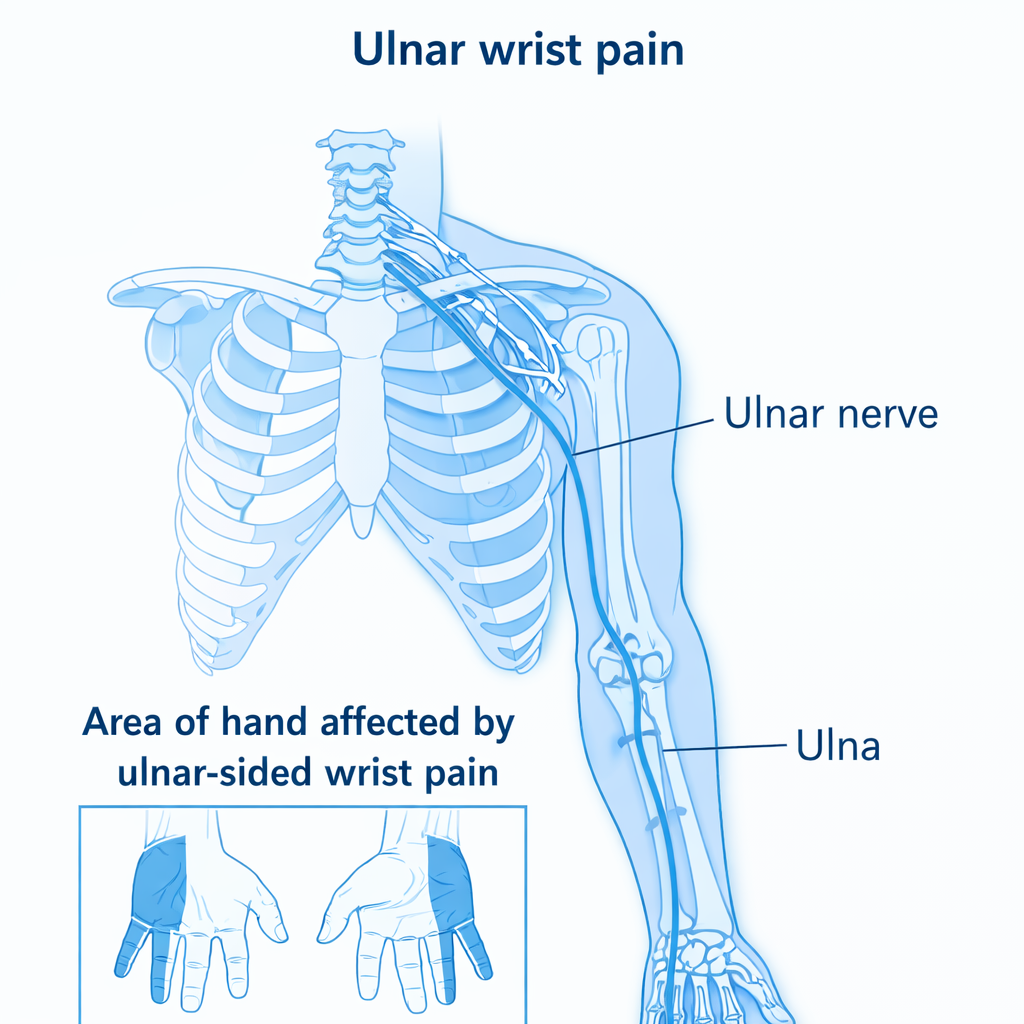
Ulnar wrist pain refers to discomfort on the side of the wrist near the little finger. The term comes from the ulna bone in the forearm. This area contains many bones, ligaments, tendons, and nerves that support hand movement. Because of its complex structure, injuries, repetitive strain, or trauma can cause wrist pain in this region.
Common Causes of Ulnar Wrist Pain
Identifying the correct cause is essential for choosing the right treatment approach.
TFCC Tear
A TFCC Tear is a common cause of pain on the pinky side of the wrist. The triangular fibrocartilage complex stabilizes the joint where the ulna meets the wrist bones. Injury may occur after a fall or from repeated strain, leading to wrist pain, clicking, and weakness during twisting.
ECU Tendinitis
Inflammation of the Extensor Carpi Ulnaris tendon can occur due to repetitive wrist movements. It often causes localized wrist pain, swelling, and tenderness along the outer side of the wrist.
Ulnar Impaction Syndrome
This condition develops when the ulna is slightly longer than the radius, causing pressure on wrist bones and cartilage. Over time, this repeated stress leads to chronic wrist pain.
Ulnar Styloid Fracture
A fracture of the ulnar styloid usually results from a fall or trauma and causes sudden pain, swelling, and restricted wrist movement.
Other Causes
ECU tendon instability, lunotriquetral ligament injury, pisotriquetral arthritis, and ulnar tunnel syndrome may also cause persistent wrist pain, sometimes with weakness, stiffness, or numbness in the fingers.
Symptoms of Ulnar Wrist Pain
Location and Character of Pain
Pain usually occurs on the outer side of the wrist near the pinky finger. It may appear suddenly after an injury or develop gradually as a dull ache that persists for weeks.
Pain with Specific Movements
Activities that involve gripping, lifting, or twisting the wrist can worsen symptoms. Simple tasks such as opening jars or turning doorknobs may become painful.
Clicking or Popping Sensations
Some patients notice clicking or popping sounds when moving their wrist. These sensations may indicate structural problems such as a TFCC Tear or tendon instability.
Weakness and Reduced Grip Strength
Inflammation and ligament damage can weaken the wrist joint. Individuals may find it difficult to hold heavy objects or perform activities requiring a strong grip.
Swelling and Tenderness
The affected area may appear swollen and sensitive to touch. After an injury, mild discoloration may also be present.
Diagnosing Ulnar Wrist Pain
A detailed medical evaluation helps identify the exact cause of wrist pain.
Clinical Examination
A healthcare provider usually begins with a physical examination. They evaluate tenderness, wrist stability, and range of motion. Special stress tests may be used to determine whether structures like the TFCC or specific tendons are involved.
Imaging Studies
Doctors often recommend imaging tests to confirm the diagnosis. X-rays help detect fractures or arthritis, while musculoskeletal ultrasound allows visualization of tendons and ligaments during movement.
Advanced Diagnostic Procedures
If symptoms persist or remain unclear, advanced imaging such as MRI may be used. Arthroscopy may also be performed to closely examine soft tissues and identify a TFCC Tear or ligament damage.
Treatment Options for Ulnar Wrist Pain
Most cases of ulnar wrist pain respond well to conservative treatment.
Conservative Treatments
Initial care focuses on resting the wrist and avoiding activities that worsen wrist pain. Ice application helps reduce swelling, while anti-inflammatory medications provide temporary relief. Wearing a wrist brace or splint stabilizes the joint and allows healing. Physical therapy helps strengthen wrist muscles and restore flexibility.
PRP Therapy
Platelet Rich Plasma therapy uses the patient’s own blood platelets to stimulate healing in injured tendons and ligaments. Prolotherapy may also be used to strengthen weakened tissues.
Surgical Treatment Options
Surgery may be necessary for severe injuries such as a large TFCC Tear, complex fractures, or ongoing nerve compression when conservative treatments fail.
Prevention Strategies for Ulnar Wrist Pain
Preventing wrist injuries often involves simple adjustments in daily habits. Using proper protective equipment during sports such as tennis or golf can reduce strain on the wrist. Maintaining good posture and ergonomics while typing helps prevent repetitive stress.
Taking regular breaks during activities that involve prolonged wrist use can reduce the risk of injury. Keeping workspaces organized also lowers the risk of falls that may lead to fractures and Wrist Pain.
When to Seek Professional Help
Medical attention should be considered if Wrist Pain continues for several days or occurs after a sudden injury. Immediate evaluation is recommended if the wrist cannot move properly or if numbness appears in the fingers.
Persistent swelling, worsening pain, or difficulty performing everyday tasks are also signs that professional assessment is necessary.
Specialized Treatment at Alleviate Pain Clinic
Alleviate Pain Clinic in Bangalore provides specialized care for individuals suffering from chronic Wrist Pain. Their team focuses on non surgical treatments that address the root cause of the problem. Personalized care plans may include physical therapy, regenerative treatments such as PRP, and other advanced pain management techniques designed to restore mobility and improve function.
FAQs About Ulnar Wrist Pain
Ulnar wrist pain is discomfort located on the pinky finger side of the wrist near the ulna bone.
Common causes include TFCC Tear, tendon inflammation, arthritis, ligament injuries, and repetitive stress.
A TFCC Tear occurs when the cartilage complex that stabilizes the wrist becomes damaged. This can lead to instability, clicking sensations, and persistent Wrist Pain.
Doctors diagnose the condition through physical examination and imaging tests such as X-rays, ultrasound, or MRI.
Yes, many cases improve with rest, bracing, therapy, and regenerative treatments such as PRP.
Treatment depends on the severity of the injury but often includes immobilization, therapy, and regenerative medicine approaches.
Minor injuries may heal within a few weeks, while more serious conditions such as a TFCC Tear may take several months for full recovery.


