




Key Highlights
- Scoliosis is a condition where the spine curves sideways into a C or S shape, affecting posture and spinal alignment.
- Common types include idiopathic (most common), congenital (present at birth), neuromuscular (due to nerve/muscle disorders), and degenerative (age-related).
- Causes vary from genetic factors and developmental abnormalities to muscle imbalance and spinal degeneration, while symptoms include uneven shoulders, tilted posture, and sometimes back pain.
- Treatment depends on severity, ranging from observation and physiotherapy to bracing and surgery, with early diagnosis helping prevent progression and improve long-term outcomes.
Most people rarely think about the spine until something feels different. The back normally stays straight when a person stands or walks. However, in some cases, the spine bends sideways. This sideways bend is known as scoliosis. The change may appear small at first. Over time, it may become easier to notice when the shoulders or hips appear uneven.
Many individuals discover the condition during childhood checkups or school screenings. Others notice posture changes later in life. Understanding spinal curvature conditions such as scoliosis helps people recognize symptoms early and explore appropriate scoliosis treatment options.
What is Scoliosis? Understanding Spinal Curvature
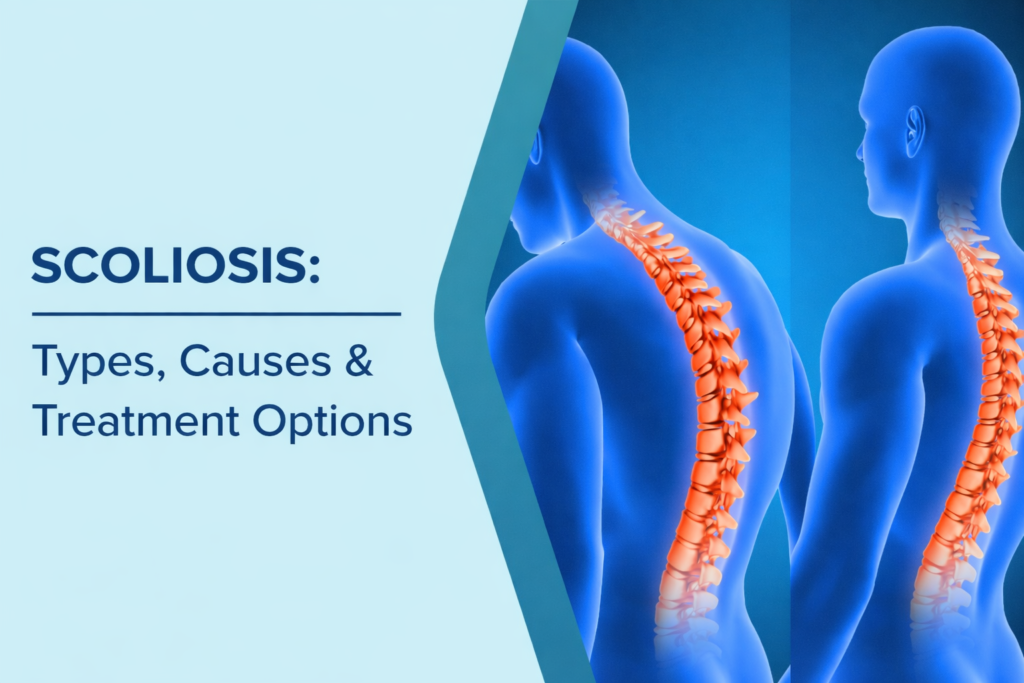
The scoliosis definition is simple. It refers to an abnormal sideways curve of the spine. Instead of forming a straight line, the spine curves into a shape that may resemble the letter C or S. A mild curve may not cause serious problems. However, larger curves can affect posture, balance, and comfort. The spine also rotates slightly in many cases, which makes the condition more noticeable. Doctors measure the angle of the curve to determine the severity. Small curves often require observation, while larger curves may need treatment.
Types of Scoliosis
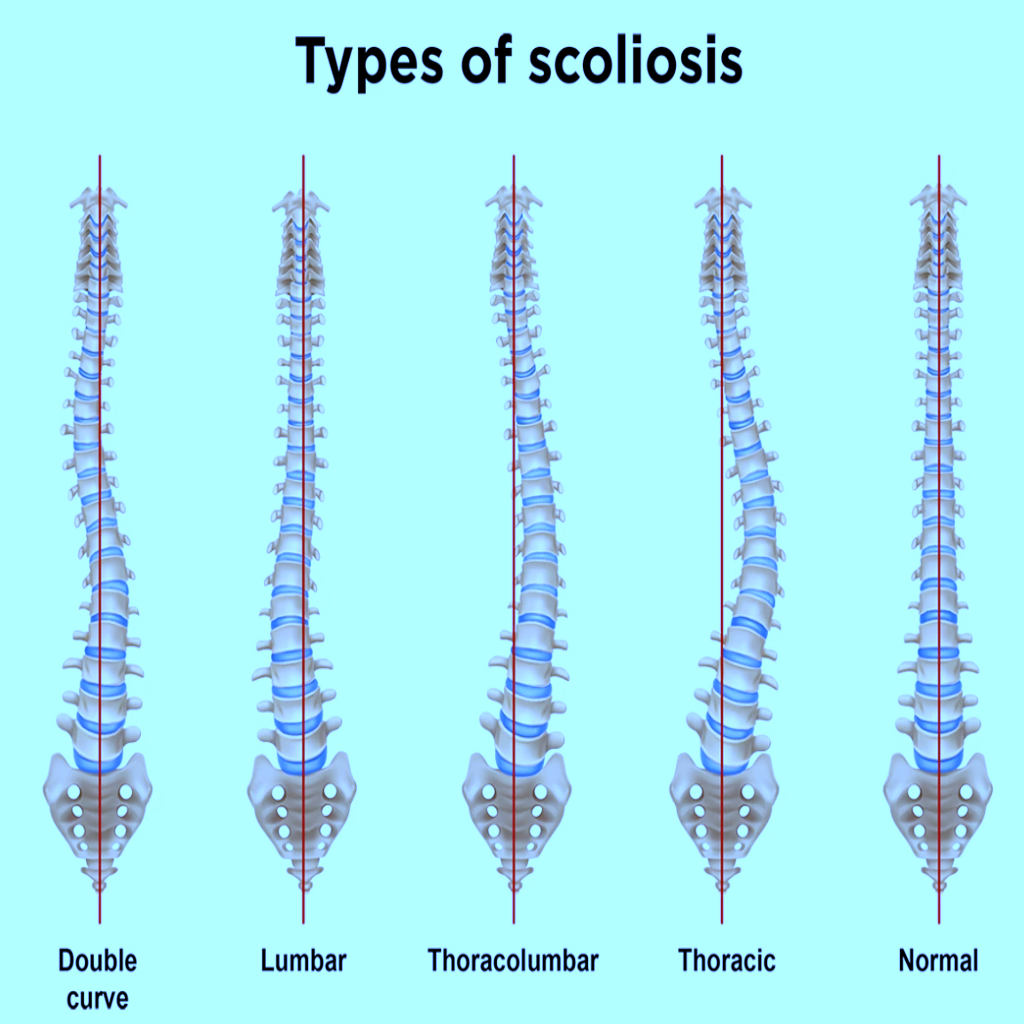
Several scoliosis types exist. Each type develops for different reasons.
Idiopathic Scoliosis
Idiopathic scoliosis is the most common form. The word idiopathic means the cause is unknown. This type often appears during childhood or adolescence.
Congenital Scoliosis
Congenital Scoliosis develops before birth. In this condition, the bones of the spine do not form normally while the baby is developing. The abnormal bone structure leads to spinal curvature.
Neuromuscular Scoliosis
Neuromuscular Scoliosis occurs in people with conditions that affect nerves or muscles. Disorders such as muscular dystrophy or cerebral palsy can weaken muscles that support the spine. This weakness may lead to spinal curvature.
Degenerative Scoliosis
Degenerative Scoliosis usually appears later in life. It often develops when spinal discs and joints wear down with age. As these structures change, the spine may begin to curve.
Causes and Risk Factors of Scoliosis
Many people ask what causes scoliosis. In many cases, the exact reason remains unclear. However, several scoliosis risk factors are known.
Genetic Factors
Family history may play a role. Some individuals have hereditary scoliosis, which means the condition appears in multiple members of the same family. Research suggests that scoliosis genetic factors may influence how the spine develops.
Growth-Related Causes
Rapid growth during childhood may also contribute to spinal curvature. The spine changes quickly during growth spurts. In some children, this rapid development leads to scoliosis.
Symptoms of Scoliosis
Many people with mild curves do not notice symptoms immediately. However, certain scoliosis symptoms may appear over time.
Visual Signs
Visible changes often include uneven shoulders or hips. One shoulder blade may appear more prominent than the other. In some cases, the waistline may look uneven.
Physical Symptoms
Some individuals experience back pain and scoliosis discomfort. Muscle fatigue around the spine may cause soreness after long periods of standing or sitting. Larger curves may also affect balance or posture. It is important to remember that not everyone with scoliosis experiences pain. Some people live with mild curves without noticeable discomfort.
How is Scoliosis Diagnosed?
The first step often involves a physical exam. During a screening, the doctor may ask the patient to bend forward while examining the back for uneven areas.
Cobb Angle Measurement
If scoliosis is suspected, doctors measure the curve using a method called the Cobb angle. This measurement helps determine the severity of spinal curvature.
Imaging Tests for Scoliosis
X-rays are commonly used to confirm scoliosis. In some cases, additional imaging tests help doctors evaluate the spine in more detail.
Non-Surgical Treatment Options
Not all cases require surgery. Several non-surgical scoliosis treatment options exist.
Observation and Monitoring
For mild curves, doctors may recommend regular checkups. Monitoring helps track whether the curve changes as the person grows.
Bracing for Scoliosis
Bracing for scoliosis is often recommended for children and teenagers whose bones are still growing. Several scoliosis brace types exist. These braces help prevent the curve from worsening.
Physical Therapy and Exercises
Certain exercises strengthen muscles that support the spine. These movements may improve posture and reduce discomfort.
Surgical Treatment for Scoliosis
When is Surgery Necessary?
Doctors may consider scoliosis surgery when the curve becomes severe or continues to worsen despite other treatment. Large curves can affect posture and may influence lung function.
Types of Scoliosis Surgery
Spinal fusion is the most common procedure. During this operation, surgeons join certain vertebrae together so they heal as one solid bone. This helps stabilize the spine and reduce curvature.
Can Scoliosis Be Prevented?
Many people ask about preventing scoliosis. In most cases, the condition cannot be completely prevented because the exact cause is unknown. However, early detection can make a difference. Regular medical checkups during childhood help identify spinal curvature early. Early treatment may prevent the curve from worsening. Maintaining strong back muscles and good posture may also support spinal health.
FAQs About Scoliosis
Treatment can control the curve and improve posture, though complete correction depends on severity.
Doctors may consider surgery when the spinal curve becomes severe or continues to worsen.
Some curves remain stable. Others may progress slowly over time.
Many individuals with mild scoliosis remain active and participate in sports.
Research suggests genetic factors may influence the development of scoliosis in some families.
Braces can help prevent curves from worsening in growing children.
No. Some people with scoliosis experience little or no pain.


