



Key Highlights
- Back spasms are sudden, involuntary muscle contractions that cause pain, stiffness, and restricted movement, often affecting the lower or mid-back.
- They are commonly caused by muscle strain, poor posture, spinal conditions, stress, or dehydration, leading to muscle fatigue and irritation.
- Symptoms include localized pain, tightness, difficulty moving, and a locking sensation in severe cases.
- Diagnosis involves clinical evaluation and imaging when needed.
- Treatment focuses on non-surgical care such as rest, physiotherapy, posture correction, and pain management, helping relieve symptoms and prevent recurrence effectively.
Back spasms refer to involuntary and sudden contractions of the muscles, which can result in significant discomfort and limit mobility. They can occur spontaneously within the context of everyday duties or after strains, trauma, or prolonged periods of excessive posture. Although spasms can be short-lived, frequent spasms can be the signs of some musculoskeletal or spinal problems, which need appropriate evaluation and organized back spasm treatment.
What Are Back Spasms?
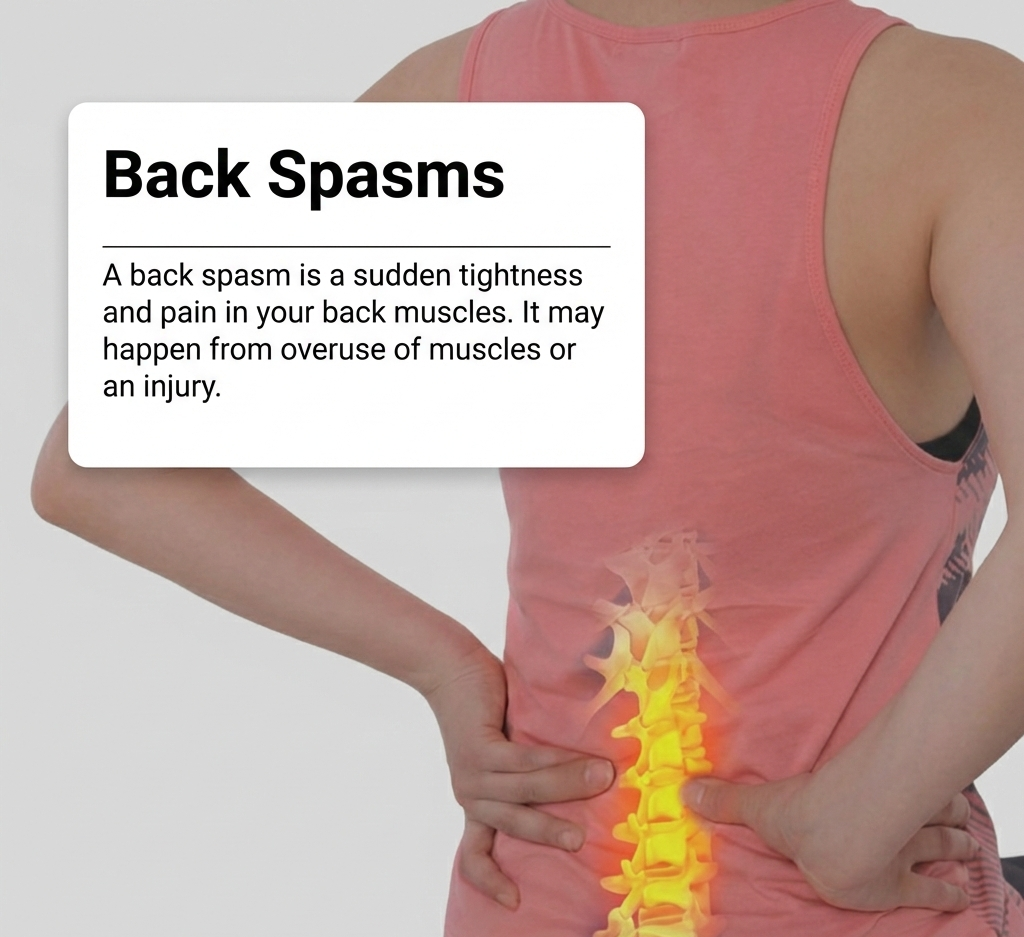
Back spasms are involuntary and forceful contractions of the muscles, which are commonly the result of a protective mechanism against injury, strain, or irritation. The contractions are aimed at limiting movement to avoid additional damage.
Learning about the muscles in the back
Muscle spasms come about as a result of an interruption in normal neuromuscular signaling. Muscles may suddenly tighten due to fatigue, inflammation, or nerve irritation. Back spasms are common in the lower or mid-back and can occur as a result of lifting, sitting, or unexpected twists that strain the muscles of the spine.
Types of Back Spasms
The spasms of the back can either be acute (lasting a few hours/days) or chronic (lasting weeks/months). There are localized and multiple muscle spasms. The condition is mildly tight and severe, causing pain that limits mobility and posture.
Common Causes of Back Spasms
To treat and prevent spasms, it is necessary to find the cause of the spasm. The factors can be mechanical, postural, metabolic, or stress-related,d and they tend to work in combination and not independently.
Muscle Strain and Overuse
Unexpected lifting, repeated bending, or unfamiliar physical exercise may cause the overstretching of muscle fibers, and protective contractions will occur. Muscle fatigue decreases flexibility and resiliency, causing the individual to be prone to the causes of back spasm, particularly when their core strength is weak.
Spinal Conditions
Surrounding muscles can be irritated by degenerative disc disease, facet joint irritation, or the instability of the spine. Muscles, in turn, react by tightening to stabilize the spine, which frequently results in painful spasms. These conditions can result in recurring episodes that are aggravated by movement or sitting.
Poor Posture and Ergonomics
Poor posture in the long term exerts uneven stress upon the spinal muscles. Forward head posture, bent sitting, or poor workstation design overwork some muscle groups, and this causes fatigue and eventual development of spasms in the back in the long run, especially among sedentary individuals.
Stress and Muscle Tension
Emotional pressure causes the tension of muscles due to the continued stimulation of the nervous system. Chronic stress can make the back tight, which narrows the circulation and predisposes the muscle to painful and tight spasms without any physical exertion.
Dehydration and Nutritional Deficiencies
Poor hydration and electrolyte deposition affect the muscle. Weaknesses in minerals like magnesium or potassium can cause involuntary contractions and cramping, and make people more susceptible to the symptoms of back spasms in everyday life.
Symptoms of Back Spasms
Symptoms depend on the severity and the cause behind them, but usually, pain, stiffness, and limited movement are observed.
Localized Back Pain and Tightness
The local back pain is felt by a majority of people with a feeling of tightness or knotting within the muscles affected. The region can be painful to the touch, and the pain can be intensified by any movement or even by any effort to change position.
Pain With Movement or Activity
During bending, twisting, or standing in a seated position, spasms tend to increase. Acute movements can result in acute pain, and individuals might restrict the activity to prevent an aggravation of the symptoms.
Muscle Weakness or Locking Sensation
The severe spasms can produce a locking effect, and it becomes hard to straighten the back. The functional mobility and balance can be impaired as temporary muscle weakness may arise as a result of pain inhibition.
When to See a Doctor
Medical assessment should be advised in case spasms last longer than several days, recur regularly, or have neurological symptoms, including numbness, tingling, or pain radiating in the legs. Such symptoms can reflect some background of spinal or nerve damage that needs specific back spasm treatment.
Diagnosis of Back Spasms
The proper diagnosis assists in the identification of whether the spasms occur as isolated muscular activities or as a component of a larger spinal disorder.
Physical Examination
Clinical examination involves posture, range of motion, palpation, and neurological examination. This is aimed at finding tenderness, muscle imbalance, or movement patterns that cause spasms.
Imaging or Tests
In suspected structural causes, imaging, including X-rays or MR I, can be recommended. Such tests assist in eliminating disc pathology, degeneration of joints, or alignment problems that may cause persistent spasms.
Treatment Options for Back Spasms
The therapy aims at alleviating pain, restoring function, and managing underlying causes to stop recurrence.
Home Care: Rest, Ice & Heat
The early treatment involves brief rests, ice to help minimize inflammation, and heat to loosen tight muscles. In the initial phases of therapy for back spasms, alternating ice and heat can be effective.
Physical Therapy & Exercise
Physiotherapy enhances flexibility, strengthens the core muscles, and corrects posture. Guided exercises to ease back pain, decrease muscle imbalance and increase the stability of the spine that minimizes the risk of recurrent spasms and long-term recovery.
Pain Management & Medications
To alleviate inflammation and muscle tension, short-term medications can be taken. Interventional approaches to pain management can be discussed in cases that are persistent and require the location of underlying muscle irritants and mechanisms to promote a long-term cure of back spasms.
Why Choose Alleviate Pain Clinic for Back Spasms
Alleviate Pain Clinic is a clinic that focuses on non-surgical treatment of musculoskeletal pain. The clinic offers personalized care, which aims at addressing underlying causes and not temporary suppression of back spasm symptoms, through accurate diagnosis, integration of physiotherapy, and image-guided therapies.
Frequently Asked Questions (FAQs)
Yes. Dehydration disrupts electrolyte balance, impairing muscle contraction and relaxation. This increases the likelihood of involuntary muscle tightening and cramping in the back.
Muscle strain, poor posture, spinal conditions, stress, and nutritional deficiencies are common contributors to back spasms, often occurring together.
Core strengthening, gentle stretching, and posture-focused exercises guided by a physiotherapist help improve stability and reduce spasm recurrence.
Short-term rest, ice or heat therapy, and gentle movement usually provide quick relief. Persistent spasms may require professional evaluation.
Ice helps during acute inflammation, while heat relaxes tight muscles. Alternating between them can be effective depending on the symptom stage.


